Discover Your Trek in the Himalayas
Specialised guides at prices to make you smile.
Trusted Reviews
Reviews by travellers who recently returned from their trip
Best Price Guarantee
Found a lower price elsewhere? We will match it!
Secure Payments
Pay with a credit card or PayPal. Hassle free booking.
24/7 Support
Get local support 24/7 during the trek.
Choose your Destination
We have dozens of handcrafted treks from 3 to 30 days.
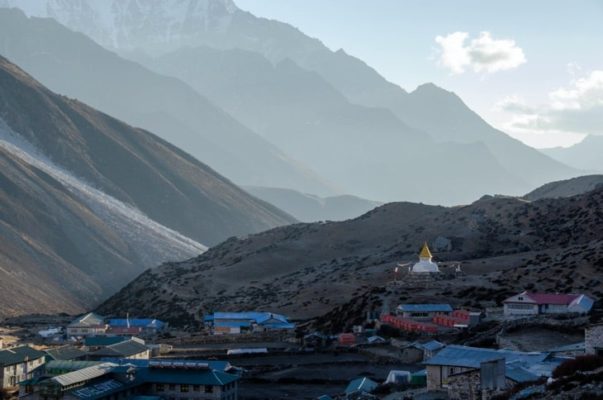
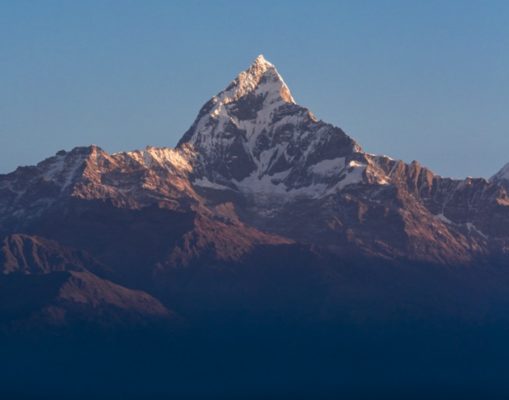
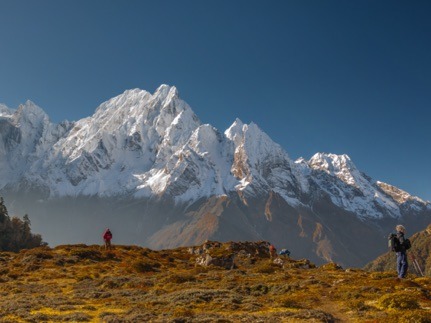
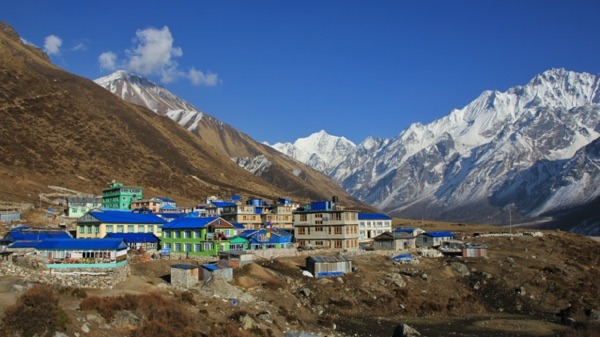
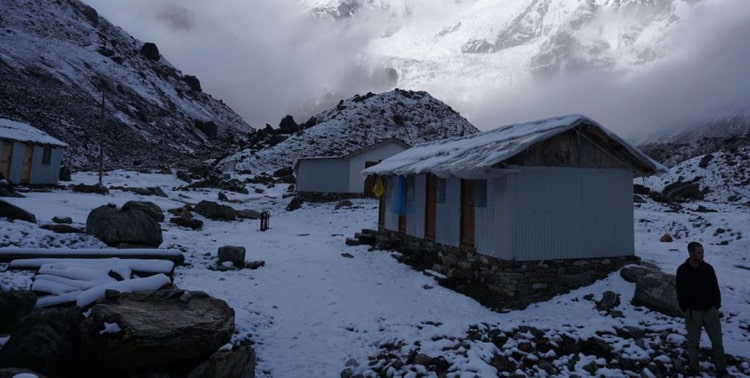
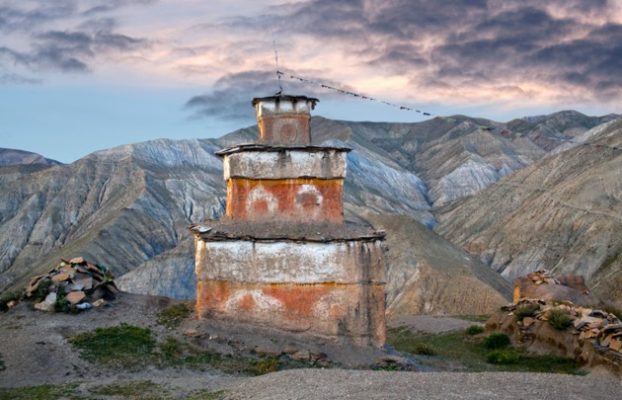
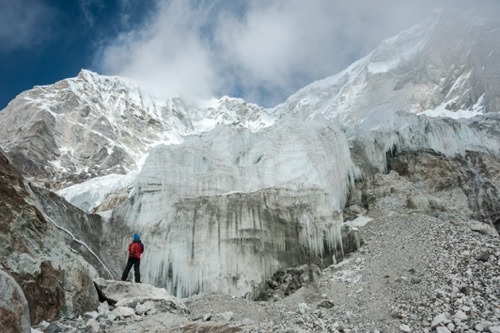
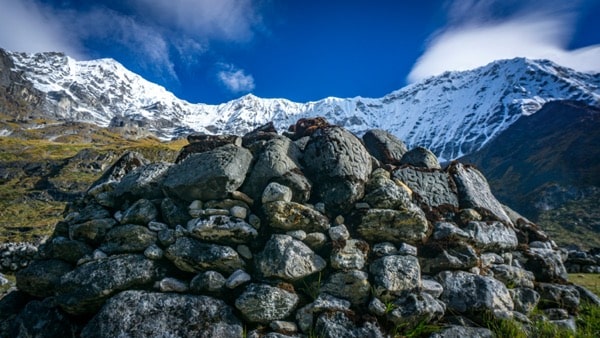
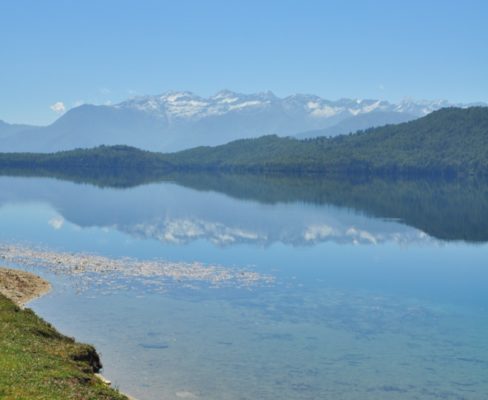
Our Best Selling Treks Handpicked for you
Not sure what to choose. Let us introduce most popular adventurers trek
Starting from
USD $1,459
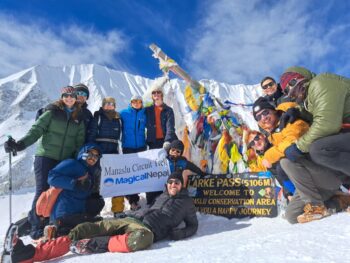
Starting from
USD $926
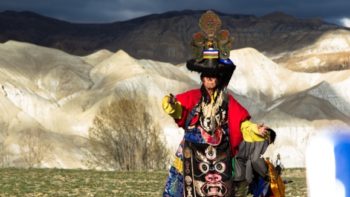
Starting from
USD $1,615
Short yet Stunning Treks
Limited time. Check our curated 2 to 7 days trek.
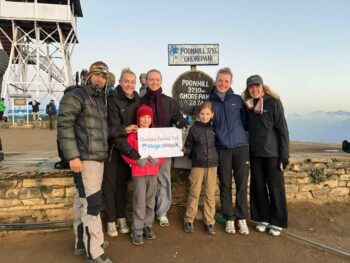
Starting from
USD $496
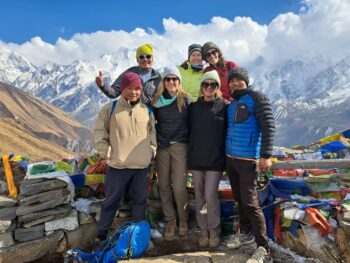
Starting from
USD $597
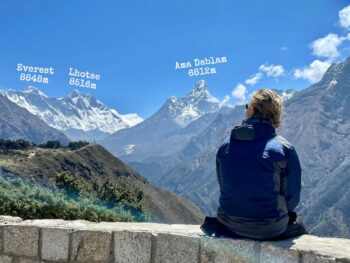
Starting from
USD $2,346
Tours
Exclusive 1 day and multi-days tour
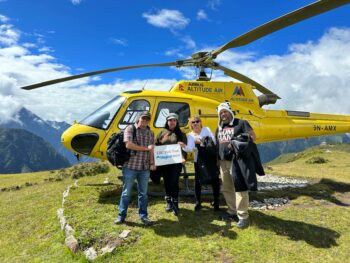
Starting from
USD $1,000
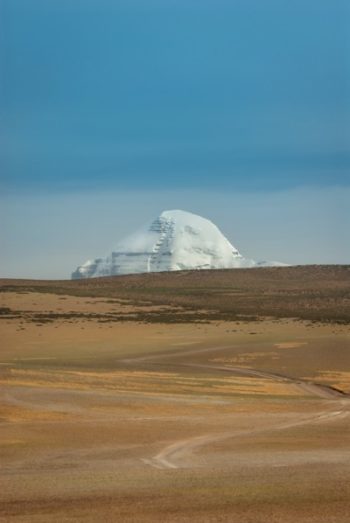
Request a quote
(?)
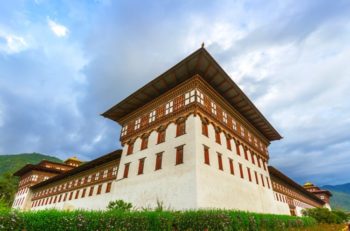
Request a quote
(?)
Unsure Where to Go? We Can Help
Our team has extensive knowledge and experience of the Himalayas and can design your dream trek based on your preference, location, time frame, and budget. For detailed information and help in planning your dream trek get in touch with us. We will answer any questions you have and guide you for an unforgettable experience.