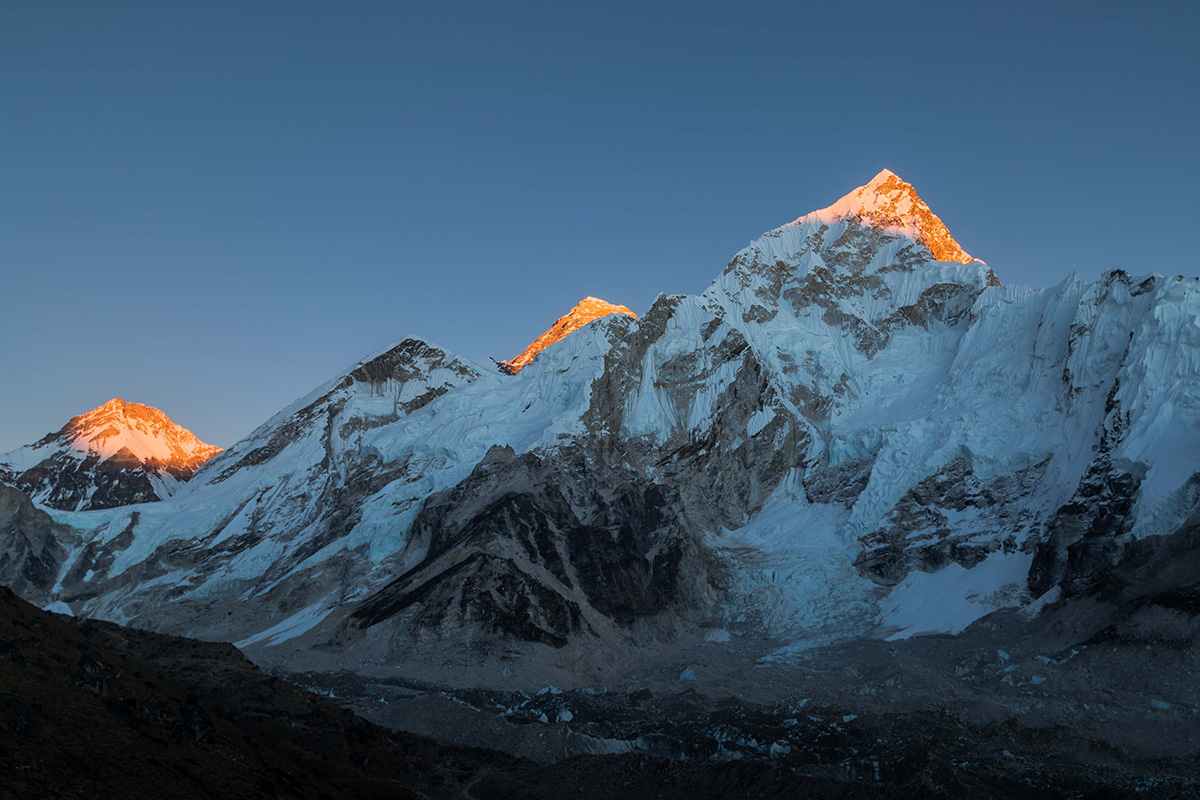
Introduction to Putha Hiunchuli Expedition
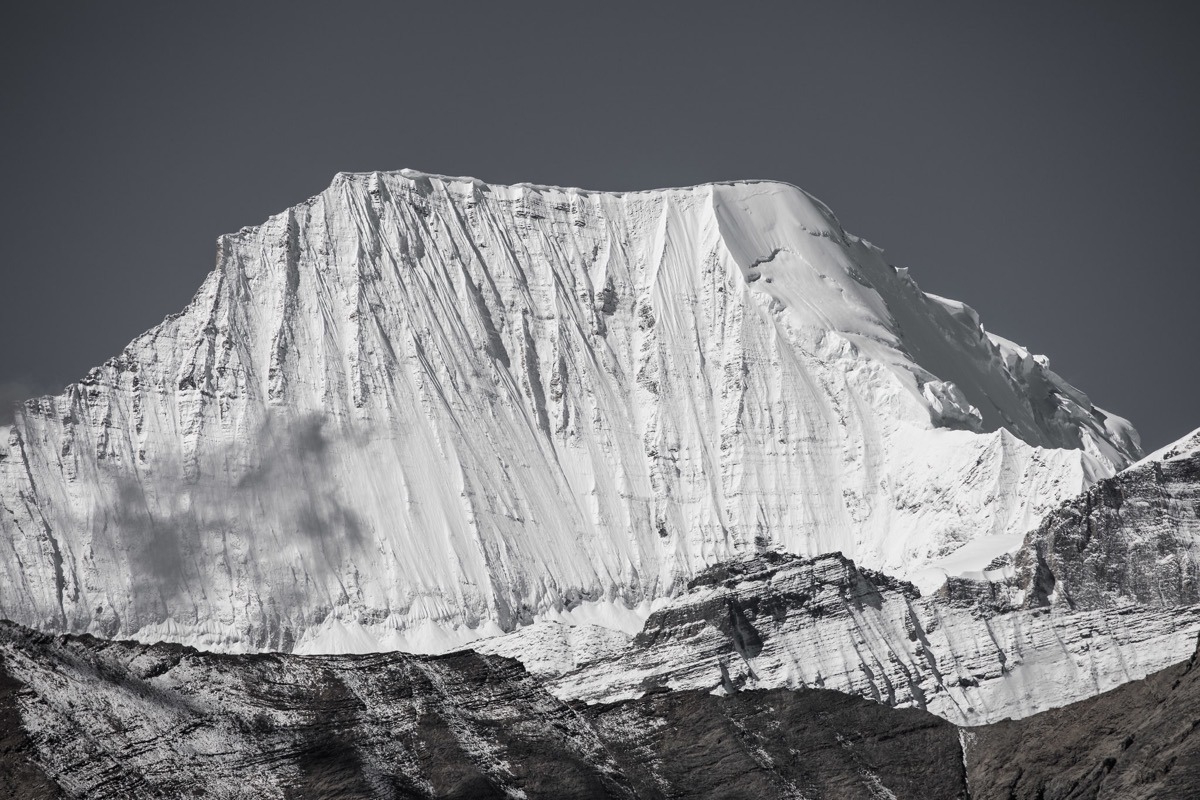
This climb begins with a flight from Kathmandu to Nepalgunj in the steamy lowlands of the country. From here take a short flight to Juphal in Dolpo where the trek to the peak begins. We will spend 14 days climbing before trekking back to Juphal and onwards to Kathmandu.
There is no denying the days are long between camps (approximately 6 hours but remember you are trekking in thin air) so a great level of fitness is required to both complete and enjoy this adventure. The trek to base camp will take 6 days up to the altitude of 4,575m. This gives plenty of time to acclimatize.
Above base camp we will establish two camps. Up here the route is snow and ice so previous experience with crampons and ice axe is recommended. Known as the easiest of the 7,000m peaks this is a 28 day trek and climb at constant high altitude, which should be taken into consideration when deciding whether this climb is for you.
After our successful climb we trek back to Juphal and fly back to Nepalgunj and on to Kathmandu.
Arrival Day: Kathmandu check into your hotel and pre-trip meeting
We have you covered for the hotel accommodation the night before your trip.
Arrival Day: Kathmandu check into your hotel and pre-trip meeting
We have you covered for the hotel accommodation the night before your trip.
We also have you covered if you need information regarding buying/ hiring any equipment you require for this expedition.
You will have the opportunity today to meet your guide and ask any questions.
Overnight in Kathmandu – hotel.
Putha Hiunchuli Expedition Highlights
Want to know more about this trek?
Chat with us — real trekking experts, not bots.
Typically replies within 6–7 hours
Dolpo Rara Traverse Trek Itinerary
Day 1: Kathmandu to Nepalgunj (Flight)
Nepalgunj – 150 m / 492 ft – 50 minutes
After being collected from your hotel, your guide will go with you to the airport for your domestic flight to Nepalgunj.
Nepalgunj is in the Terai, as the lowland area of the country is known. There is a border crossing to India, and as a result, this town feels a mix of Nepali and Indian. With its predominantly Hindu culture, it is very different from the places you will see on this expedition into the mountains.
Spend a little time exploring the city, maybe by rickshaw, before dinner.
Overnight at Nepalganj – hotel.
nepalgunj
Nepalgunj, a vibrant city in western Nepal’s Banke District, sits at an elevation of 150 meters (492 ft) in the Terai region. It is a crucial commercial hub and a gateway to remote western destinations like Rara Lake, Shey Phoksundo, Dolpo, and Humla.Day 2: Nepalgunj to Jhupal (Flight) to Dunai
Dunai – 2850 m / 9350 ft – 4 hrs
After breakfast return to the airport for the short flight to Jhupal.
Your porters and camping crew will meet you at Jhupal. While they organise your gear and get instructions from your guide, grab a cup of tea and a snack before heading off on the trail.
Your first day on the trail involves an ascent above the Thulo Bheri Valley and through cultivated fields to the village of Kalagaunda. Continue past Roop Ghar village, notable with its traditional water mill, and follow the river to Dunai.
Overnight at Dunai – teahouse.
Dunai
Dunai is the administrative headquarters of Dolpa District, located in the remote Dolpo region of western Nepal. Sitting at an altitude of around 2,850 meters (9,350 feet), Dunai serves as the gateway to some of Nepal’s most pristine and unspoiled trekking routes, including Upper Dolpo, Shey Phoksundo Lake, and Dhaulagiri Circuit.Day 3: Dunai to Tarakot
Tarakot – 2543 m / 8343 ft – 6 hrs
Follow the banks of the Thulo Bheri river until you reach a point where you cross the river as the trail continues on the other side. There is a gorge to trek through, and a hill to climb over as you continue by crossing the river again at the settlement of Lawan.
You will camp at Tarakot village with its cultivated fields and nearby an ancient fortress.
Overnight at Tarakot – camping.
Tarakot
Tarakot, historically known as “Dzong,” is a significant village located in Nepal’s Dolpo region. Situated at an elevation of approximately 2,543 meters (8,343 feet), it lies south of the Bheri River. Historically, Tarakot served as a fortress town, acting as a checkpoint for trading caravans traversing the region.Day 4: Tarakot to Musi Khola
Mushi Khola – 2875 m / 9,432.4 ft – 6 hrs
The early morning trail then becomes rugged and more narrow as you traverse gorges and hike through cedar trees. At the confluence of the Barbung Khola (river) and Tarap Chu river is a gompa, one of just many you will encounter on this expedition. Passing through the village of Khanigaun, again take note of the culture and lifestyle of the locals. Following the Barbung river you pass through another small settlement until you reach Musi Khola where you will stop for the night.
Overnight at Musi Khola – camping.
Musi Khola
Musi Khola is a hamlet situated in the Dolpo region of Nepal’s Karnali Province. Positioned at an elevation of approximately 2,875 meters (9,432 feet), it lies along the trekking route connecting Tarakot to Kakot village. The area is characterized by rugged terrain, deep forests, and narrow gorges, offering trekkers an immersive experience in Nepal’s remote landscapes. Musi Khola serves as a camping site for expeditions such as the Putha Hiunchuli Expedition and the Dolpo-Jomsom Trek, providing a rest point amidst challenging trails.Day 5: Mushi Khola to Kagkot
Kagkot – 3200 m / ft – 5 hrs
The altitude is starting to rise today as you walk through a gorge and a narrow path and on to a man-made stone staircase.
With the peaks of Putha Hiunchuli, Kangmara and the Dhaulagiri range above you, not only the altitude, but the excitement is rising.
Overnight at Kagkot – camping.
Kagkot
Kagkot is a remote village nestled in the rugged landscapes of western Nepal, often serving as a gateway for trekkers venturing into the wild and unspoiled regions of Dolpo and Dhaulagiri. Located at an altitude that gradually increases as you traverse its surrounding trails, Kagkot offers a raw and immersive trekking experience.Day 6: Acclimatization day
Kagkot – 3200 m / ft – 3 hrs
Today is your chance to become acclimatized to the rising altitude. You can explore around the village area or simply relax.
Overnight at Kagkot – camping.
Day 7: Kagkot to Panjing
Panjing – 4200 m / ft – 6 hrs
Each day the trail is becoming harder and today ascending a steep hill first thing in the morning is quite tough. Crossing the villages of Pimri and Dhukot you reach Panjing.
Overnight at Panjing – camping.
Panjing
Panjing is a remote settlement in the Dolpo region of Nepal, known for its rugged landscapes, high-altitude terrain, and connection to ancient Tibetan Buddhist culture. Located along trekking routes leading to Upper Dolpo and Shey Phoksundo, Panjing offers a glimpse into the traditional lifestyle of the Dolpo-pa people, who have preserved their heritage for centuries. Surrounded by dramatic cliffs, vast valleys, and towering Himalayan peaks, the village is a serene yet challenging stop for trekkers exploring this untouched region. With its isolation and stunning natural beauty, Panjing remains one of Nepal’s hidden gems for adventure seekers.Day 8: Acclimatization day
Panjing – 4200 m / ft – 6 hrs
As you prepare for your shot at the summit of Putha Hiunchuli, you need to acclimatize and rest somewhat. This is what today is all about.
Overnight at Panjing – camping.
Panjing
Panjing is a remote settlement located in the Dolpo region of north-western Nepal, situated at an elevation of approximately 4,200 meters (13,779.5 feet). This village serves as a significant waypoint for trekkers and mountaineers en route to Putha Hiunchuli (7,246 meters), a prominent peak in the Dhaulagiri range. The journey to Panjing typically involves traversing through rugged terrains and traditional villages, offering insights into the preserved Tibetan-influenced culture of the Dolpo-pa people.Day 9: Panjing to German Base Camp
German Base Camp – 4500 m / ft – 5 hrs
There are two mountain passes to reach the German Base Camp, making this a tiring day.
Overnight at German Base Camp – camping,
German Base Camp
The German Base Camp is a notable campsite situated in the Dolpo region of Nepal, primarily serving as an intermediate acclimatization point for mountaineers aiming to summit Putha Hiunchuli (7,246 meters), also known as Dhaulagiri VII. Located at an elevation of approximately 4,400 meters, this camp offers a strategic resting spot before advancing to the higher Putha Hiunchuli Base Camp at 4,800 meters. The trek to the German Base Camp typically begins from Juphal, passing through villages like Dunai, Tarakot, and Kagkot, providing trekkers with immersive experiences of the local culture and diverse landscapes. Upon reaching the German Base Camp, climbers often spend a night to acclimatize, preparing themselves for the subsequent ascent to higher camps and ultimately the summit.Day 10: German Base Camp to Putha Hiunchuli Base Camp
Putha Hiunchuli Base Camp – 4910 m / ft – 6 hrs
The day starts off with a steep ascent over sandy and rocky terrain. This trail is considered almost as difficult as climbing to the peak so be prepared for a hard day in the mountains.
The views from this altitude are astounding as if to make up for the difficult terrain under your feet. Putha Hiunchuli, Churen Himal and the Dhaulagiri range are there before you.
The camp is set up on a desolate moraine plateau from where your summit attempt will take place.
Overnight Putha Hiunchuli Base Camp – camping.
Putha Hiunchuli Base Camp
Putha Hiunchuli, also known as Dhaulagiri VII, stands at an elevation of 7,246 meters (23,773 feet) and is the westernmost peak of Nepal’s Dhaulagiri range. The Base Camp for Putha Hiunchuli is typically established at approximately 4,910 meters (15,748 feet) above sea level. This camp serves as the primary staging area for climbers preparing to summit the peak.Day 11 to Day 27: Climbing Period
Putha Hiunchuli
Including:·
- Preparing the gear and puja.
- Rotation to Camp I, II, III and Base Camp – actual route to be decided on the mountain based on weather and climbers ability.
- Contingency day in case of bad weather. · Packing / cleaning up base camp and equipment.
Day 28: Putha Hiunchuli Base Camp to Kagkot
Kagkot – 3200 m / ft – 9 hrs
After successfully summiting Putha Hiunchuli (4,910m), the journey back to Kagkot is a long yet fulfilling trek, as you descend from the high-altitude base camp to lower elevations. The sense of achievement is immense as you leave behind the glacial landscapes and return to the more habitable valleys of the Dolpo region.
Overnight at Kagkot – camping.
Day 29: Kagkot to Lashicap
Lashicap – 2785 m / ft – 7 hrs
Today you will go from Kagkot to Lashicap. It is 7 hours hike.
Leaving Kagkot (3200m) behind, today’s trek takes you on a gradual descent to Lashicap (2785m). This 7-hour hike passes through diverse landscapes, from rocky trails and alpine meadows to river valleys and dense forests, making it an engaging and scenic journey.
Lashicap
Lashicap is a remote settlement in the Dolpo region of Nepal, located at an altitude of 2,785 meters (9,137 feet). Nestled amidst the rugged Himalayan foothills, Lashicap serves as an important waypoint for trekkers traveling between Kagkot and lower Dolpo regions.Day 30: Lashicap to Dunai
Dunai – m / ft – 6 hrs
After breakfast head out across green pastures and terraced fields. Pass through the some villages now familiar in their style and architecture. Enjoy the mountains overhead and the forests and rivers of this wonderful district called Dolpo.
Say goodbye to your wonderful camp crew and porters before exploring Dunai and spoiling yourself with a drink or two in the evening.
Overnight at Dunai – teahouse.
Day 31: Dunai to Jhupal
Jhupal – m / ft – hrs
This is the final day of trekking on this expedition, and it’s a short one. Have a leisurely breakfast and set off towards the Thulo Bheri river and climb through terraced fields to reach Jhupal.
Jhupal is the gateway to Dolpo district and the starting and ending point of many trek. With its few small shops and teahouses you can celebrate your wonderful trek with a few soft drinks or a beer.
Overnight at Jhupal– teahouse.
Dunai to Jhupal: Highlights
- Having wonderful memories and photographs to take away.
Jhupal
Jhupal is a small yet significant village in the Dolpo region of Nepal, located at an altitude of approximately 2,500 meters (8,202 feet). It serves as the main entry point for trekkers and expeditions heading into the remote and rugged Dolpo region, including Shey Phoksundo National Park, Lower Dolpo, Upper Dolpo, and Putha Hiunchuli.Day 32: Jhupal to Nepalgunj (Flight) to Kathmandu (Flight)
Kathmandu – 1300 m / 4265 ft – 2 hrs
In the morning take a flight into Nepalgunj then another flight on to Kathmandu. We will take you from the airport to the hotel that is included in the cost of the expedition.
Now it’s time to celebrate your success!
Overnight in Kathmandu – hotel.
Are you interested on planning custom trip? It only takes 2 minutes.
Includes
Veg
Wide variety of Vegeterian food is available on the trek
Vegan
Wide variety of Vegan food is available on the trek
Want to know more about this trek?
Chat with us — real trekking experts, not bots.
Typically replies within 6–7 hours
Excludes
Packing List
Hiking Gear
11 items- Trekking Poles Trail stabilizers, save those knees downhill! 1 pair
- Backpack With porter 25–35L, going solo 40–60L. 1
- Reusable Water Bottles Hydrate — and hug at night when it’s filled with hot water! 1
- MicroSpikes Grip it, handle icy paths like a boss. 1 pair
- Trekking Boots Boots for support, trail runners for pros. 1 pair
- Headlamp Keeps hands free — early hikes and midnight nature calls! 1
- Dry Bag / Zip-Lock Bags Stay organized and stash the stinky. 1
- Rain Cover for Backpack Shields your bag from rain and rough rides! 1
- Sunglasses Lose one, break one, still look cool. 2 pairs
- Sun Hat / Cap Shield your face — no one likes a sunburned selfie. 1
- Packing Organizers Tame your packing chaos like a pro-level trekker. 1
Garments
19 items- Base Layer Set (Thermal) A thermal hug for windy ridges. 2
- Fleece / Microfiber Jacket Like a wearable hug — light, warm, essential. 1
- Quick-Dry Tees (Merino) Sweat less, smell less, hike more. 3
- Quick-Dry Pants Dries fast — cross rivers, dodge rain. 1
- Trekking Pant (Soft Shell) Built for Nepal’s trails, tough and comfy. 1
- Trekking Pant (Hard Shell) Bring the big guns for snow and storm duty. 1
- Windbreaker Jacket Windproof your journey without packing bulk. 1
- Waterproof Jacket Because soggy trekkers aren’t happy trekkers. 1
- Waterproof Pant Wet pants? No thanks — bring these just in case. 1
- Down Jacket Your puffy cloud for chilly dawns and nights. 1
- Cosy Outfit for Teahouses Trade hiking boots for this once you’re in the teahouse. 1 set
- Socks (Liner / Trekking) Happy feet = happy trek. Bring extras! (3/3) 6 pairs
- Gloves — Liner Wear under gloves or for chilly tea stops. 1 pair
- Gloves — Windproof Block those winds sweeping down from the peaks. 1 pair
- Woolen Hat Block out wind and keep your brain warm. 1
- Beanie Extra warmth while sipping tea in the yard. 1
- Neck Gaiter Neck protector, face warmer, and style icon in one. 1
- Under Garments Laundry day is rare — pack backups! 3
- Bra Supportive and breathable for long trail days. 3
Sleeping
5 items- Sleeping Bag Sleep snug — from stars to teahouse beds. 1
- Sleeping Bag Liner Add warmth and avoid funky smells. 1
- Earplugs Snorers in the next room? Problem solved. 2 sets
- Travel Pillow Nap like royalty, even in the Himalayas. 1
- Eye Mask Sun’s up? Not till you are. 1
Toiletries & Hygiene
16 items- Microfiber Towel Dries fast, packs light — towel off in style. 1
- Toothbrush & Toothpaste Morning breath? Not on these trails. 1 set
- Wet Wipes No shower? No problem — wipes to the rescue. 2 packs
- First Aid Kit Leeches, scrapes, bruises — be ready. 1
- Sunscreen High-altitude sun bites — lather up. 1
- Blister Kit Blisters sneak up — treat them quick. 1
- Soap / Shampoo Bucket shower? You’ll still feel fresh. 1 set
- Lip Balm Wind or sun, protect those lips. 1
- Comb or Brush Brush off the dust — hair’s still happy. 1
- Period Supplies Periods don’t pause for mountains — pack well. As needed
- Nail Clippers / Tweezers Snagged gear or sharp toenail? Clip it clean. 1
- Toilet Paper Don’t get caught short — carry your own roll. Varies
- Sanitising Gel Sanitize before snack time, at every stop. 1
- Deodorant Feel fresh, even 3 days from a shower. 1
- Mirror (Optional) For grooming or checking windburn. 1
- Water Purification Tablets / Filters Turn glacier melt into safe drinking water. 1
Electronics
9 items- Camera Snap yaks, peaks, and village smiles. 1
- Phone Call home, check maps, jam tunes — one device. 1
- GPS Watch / Device Track your climbs, brag later. 1
- External Hard Drive No backup, no proof — save it all. 1
- Cables Juice up your phone, cam, or headlamp. 1
- Power Bank Dead battery? This keeps you going. 1
- E-Book Reader Books in your pocket — read and relax. 1
- Travel Adapter (Type D, C & M) Stay charged across Nepal. 1
- Earphones Tunes or podcasts — your trail soundtrack. 1
Miscellaneous
10 items- Lightweight Shoes / Sandals Post-hike bliss — slip into comfort. 1
- Gaiters Keep snow and grit out of your boots. 1 pair
- Playing Cards / Card Games Perfect for rest days or teahouse hangs. 1
- Multitool Solves (almost) everything in one flip. 1
- Journal / Pen Write. Reflect. Doodle. Dream. 1 set
- Repair Kit Patch up gear before it falls apart. 1
- Insulated Flask Sip hot tea in icy wind like a local. 1
- USD 15–20 in Nepalese Currency Tea, snacks, or surprise tips — always handy. As needed
- Snacks (Energy Bars, Protein, Trail Mix) Fuel your hike with tasty trail treats. Varies
- Electrolyte Tablets or Powder Beat cramps — fuel up with electrolytes. Varies
This packing list is a guide, not a rulebook. On the meeting day in Kathmandu we go through your gear together — anything missing you can rent from us for USD 1 a day per item, or we’ll point you to the right shop for your budget. Almost everything is available in Kathmandu, so first-time trekkers arrive light and leave prepared.
Want to know more about this trek?
Chat with us — real trekking experts, not bots.
Typically replies within 6–7 hours
Read before you book Putha Hiunchuli Expedition
To help you determine if the Putha Hiunchuli Expedition is right for you, we’ve provided detailed information on key aspects such as flight details, trek difficulty, and the best times to visit. Each section also includes a video explanation to guide you in planning your trip smoothly.
If you’re still unsure whether this trek is the perfect choice for you, feel free to reach out to us via email or WhatsApp. We’ll get back to you within 24 hours to answer any additional questions.
Putha Hiunchuli at 7,246 m / 23,772 ft, is situated in the Dhaulagiri Himal in the district of Dolpo. Dolpo being in the north-west region of Nepal.
Spring and autumn are the climbing seasons in Nepal when the winds are less and the weather more reliable. There is also less chance of snowfall at these times. We have a contingency day scheduled into this itinerary in case of bad weather.
Overall, we would say spring is the best time for this climb.
The whole expedition takes almost one month with around 17 days of preparing at Base Camp and climbing. This is not a climb for beginners. If you have Alpine PD+/ AD route experience (or have climbed Scottish Grade I/II winter routes) you will enjoy this climb confidently.
Ideally, if you have climbed Lobuche East and Island Peak, Chulu West or Khumbu 3 Peak in Nepal or the likes of Kilimanjaro or Mt Blanc, you are ready for Putha Hiunchuli.
For those who have this type of climbing experience, Putha Hiunchuli is not an overly demanding climb. With our experienced climbing guide assisting you as required, and with the right previous experience, you can achieve this climb. We do suggest, however, that you refresh your climbing skills before you come as there are some demanding and technical sections on the climb.
Being that Himlung is 7,246 m / 16,404 ft high and that you will be sleeping at altitudes over 5,000 m / 16,404 ft it is preferable that you have experienced high altitude before, as on the aforementioned mountains. It takes over a week to trek to Base Camp. Although that trek in is not arduous, there are a couple of acclimatization days built in to allow your body to adjust.
If you are planning on climbing an 8-thousander in the near future, climbing Putha Hiunchuli provides great experience and practice.
In a nutshell: this is a 7-thousanders. It is the ideal mountain to get you prepared for tackling an 8-thousander. Great fitness, great stamina and great enthusiasm and determination is required to summit this mountain.
If you are considering this climbing expedition you should have a great level of fitness and know what you have to do to increase / build on it before you come.
Questions Answered Before You Ask Them
- And, yes, it’s an awesome climb!
- Yes, Putha Hiunchuli is among the 7-thousanders in Nepal. It is the last 7-thousander in the western section of the Dhaulagiri mountain range.
- Yes, you will need to have previous climbing experience for this expedition.
- Yes, our climbing guides are fully experienced.
- Yes, it will be a fully equipped Base Camp with all the necessary facilities.
- Yes, altitude related problems are real and are something to be aware of. Our guides are trained in dealing with altitude problems and our expedition takes in acclimatization days in order to mitigate the possibility of illness.
- Yes, we are ready if you require emergency evacuation while on this trip, the guide is knowledgeable about what to do in this situation.
- Yes, there will be a satellite phone for emergencies.
- Yes, you need insurance to cover you on this climb and it should cover helicopter evacuation should it be necessary.
- Yes, we insure all our staff in case of accidents/ illness among them.
It is normal to have a minimum of two climbers for this expedition, for logistics and to obtain the permits.
Equipment
We have a general list of trekking equipment/ gear you can look at here.
Additionally, for the climbing part of the expedition, we will provide the group gear such as ropes, but please bring your own climbing equipment. Equipment is available for rent or to buy in Kathmandu and this is something we can advise you on.
Basic list of climbing equipment:
- Trekking equipment (a per our standard list)
- Climbing helmet
- Climbing boots
- Crampons
- Climbing harness
- Ascending device
- Descending device
- Ice axe
- Carabiners
- Prusik loop
- Tape sling
- Gloves
- Down jacket (can be hired in Kathmandu)
- Waterproof jacket and trousers
- Sunglasses
In addition:-
- Bring clothes that you can layer up as it will be extremely cold at higher altitudes but at lower elevations during the trek in it may be warm.
- Pack light.
- Portable solar panel (one which hooks onto your day pack) to recharge equipment. We do not have a power source at base camp.
- Headtorch with batteries and extra batteries.
- Medicines – any you take regularly plus items such as headache tablets, stomach tablets etc. And a small first aid kit.
- Four-season sleeping bag.
- Toiletries in small, travel sized containers.
- Snacks such as dried nuts and fruit, chocolate bars and power bars.
This expedition is basically broken down into two sections: trekking in and climbing.
You will be camping except for three nights where you stay in local teahouses (trekking lodges) and one night in a hotel in Nepalgunj. In Kathmandu the night before and the night you fly back into Kathmandu are included.
A day on the trek:
You will be trekking for an average of 6 hours a day through forest, dry lands, rivers and pastures. A real mix of biodiversity inside the Shey Phoksundo National Park which covers this area. After breakfast the crew will break up the camp to establish it at the next overnight stop. Lunch will be taken on the go (perhaps a packed one or from a small tea hut), and snacks will be available at the new campsite as dinner is being prepared.
A day on the climb:
At Base Camp staff will set up the tents – sleeping, dining, kitchen and toilet tents.
You will head up to each camp – there are three camps on this climb and return in rotation to Base Camp each night.
Packaged ready meals will be made available to you on the climb. Otherwise, our fantastic camping chef will prepare the meals at Base Camp. Tea/ coffee and boiled drinking water are available as required. You may want to bring some snacks from home – a bit of comfort food.
Possible Menu at Camp Sites
- Tea/ coffee/ hot water is unlimited at Base Camp. There will be powdered milk and sugar for the tea/coffee.
- Breakfast may be porridge with a freshly cooked flatbread / Nepali roti, or it may be dal bhat (that staple of Nepali diets).
- Lunch and dinner can be pasta, noodles, Nepali vegetable curry and rice, pizza, dal soup, etc.
- Snacks may consist of fried potatoes and popcorn.
- We will carry some canned meat and tuna fish for protein. If you have a particular preference, let us know and we will try to accommodate. Vegetarian food is always available.
At the higher camps the food will be reconstituted dried food / ready to eat meals.
Drinking Water While Camping and in Teahouses
At the camp sites you will be provided with boiled water for drinking.
Sterilizing water with drops or tablets at teahouses will make it drinkable. Or you can buy boiled drinking water from them.
Teahouse Accommodation
You will only spend three nights in a teahouse. Although they are quite basic, normally with shared toilet facilities, they may have hot water showers, electricity and WiFi. All of which you will have to pay for (USD2-5 each, per time).
Since you are going to be camping for a considerable time on this expedition, we feel you will be able to cope with the basic facilities of a Nepali trekking teahouse.
Overall, Nepali, Chinese, Tibetan and some western dishes such as eggs, toast and soups.
Typical Menus in Teahouses
- Tea and coffee are included in the breakfast and dinner.
- Nepali tea or Tibetan butter tea, when it is available, coffee. Nescafe or similar.
- Soft drinks, beer and drinking water must be paid for yourself directly to the teahouse.
One of the main concerns is altitude related illness. Take care to avoid altitude sickness by staying hydrated, not going too fast and taking acclimatization breaks. By alerting your guide if you feel unwell, he can determine whether it is something related to altitude and needs to be taken very seriously, or something else.
The other safety concerns are accidents during the climb and getting lost on the mountain.
Do not go off alone. Always tell the guide where you are going and when you expect to come back (in case you want to explore during acclimatization days). On the climb, pay close attention to the climbing guide. You may be very experienced, but it is most likely he knows this particular mountain well.
Our climbing guide will be carrying a walkie-talkie/ satellite phone.
Tips for Safety on the Expedition:
- Pay attention to the guide in tricky or dangerous areas. In particular, listen to the climbing guide.
- Do not go off on your own at the rest/ overnight stops without telling your guide.
- Drink at least 4 ltrs of water per day to stay hydrated.
- Eat – we all know you need more calories when climbing at altitude.
- Do tell your guide if you feel unwell. Even an upset stomach can impact on the safety of the team when on the mountain.
- Have the correct insurance.
- Wear the correct gear.
- Bring your own regular medicines and a medical kit.
Climbing Permit – a climbing permit is required for any climb in Nepal. These are issued by the Nepal Mountaineering Association (NMA). Cost depends on the season, the peak, and team size.
Restricted Area Permit (RAP) for Upper Dolpo: USD 500 per person for 10 days. USD50 per person per day for any additional days.
Restricted Area Permit (RAP) for Lower Dolpo: USD 20 per person for one week, US5 per day for an additional days.
Shey Phoksundo National Park Permit: USD 30 per person for the duration of your trek.
Why You Need These Permits
Climbing permits: A permit is required to climb any mountain in Nepal.
Regulating climbing activities: climbing permits are required to allow the government to regulate climbing activities and ensure no one attempts to climb unprepared. Permits must be issued through a registered Nepali company, such as Magical Nepal.
Protect the unique environment of the mountains and helps fund conservation efforts in the region.
For your own safety – when you apply for the permit, the route you are planning to take is noted, helping if there is any need for search and rescue.
The other permits go back into conservation of the biodiversity of the area.
Your First Days in Nepal
If you would like us to meet you at the Tribhuvan International Airport and take you to your hotel, please let us know. It will save you a lot of hassle at the airport trying to organize taxis.
Hotels in Kathmandu:
There are a wide range of hotels and hostels in Kathmandu to suit everyone. We suggest Thamel as a great place to stay as it is the tourist hotspot with many restaurants, bars, shops etc. You can check on booking.com and hostelworld.com for a suitable hotel. If you would like to stay nearby Thamel, but not exactly in it, then hotels such as the Radisson, Kathmandu Marriott, and Shankar are all within about 15 minutes’ walk of Thamel.
BTW – our office is also in Thamel.
Please note, we provide you with a hotel in Kathmandu the night before the expedition and the night you return to Kathmandu.
Explore Kathmandu:
If you would like to see something of the city before (or after) your expedition, we have a half or full day tour that might suit you. Just ask us.
Kathmandu is a very interesting city although it’s a bit of a maze if you are trying to locate places yourself.
Visa on Arrival
Visa on arrival is available for people from most countries, via the Immigration Department of Nepal’s on-line site. Complete the form, print it out and bring it with you. Bring USD cash (exact money) to make payment on arrival at the airport.
Visa on arrival is valid for 15 days, 30 days or 3 months and costs:
- 15 Days – 30 USD
- 30 Days – 50 USD
- 90 Days – 125 USD
Landscapes: You will be trekking through the remote and beautiful Dolpo region in the north west of the country. Being that Dolpo is sheltered from monsoon rains, the land is dry and lunar like in places, with patches of cultivated land and forests. The mountains that can be seen from this area include the Dhaulagiri Himal, Churen Himal and Kanjiroba Himal.
Peoples: In this area the people are mainly followers of Tibetan Buddhism. There are remains of old Khampa forts and settlements indicating people migrated from Kham in Tibet many centuries ago. There is ancient and more recent history of trade along this salt route between Tibet, India and Nepal.
Wildlife: You might see small mammals such as Himalayan Tahr (a wild goat), goral (another type of wild goat), pika (a rabbit like rodent), and Himalayan marmots as well as domesticated yaks and sheep. Within this area are some unique mammals, which are shy and hard to see. These include Himalayan Black Bear, Red Panda and the stunning Snow Leopard.
For clients on a regular trekking trip, we advise them to bring a certain amount of local currency to spend in the teahouses on the trail and for any souvenirs they might find in the larger market towns.
But you are on a climbing expedition and as yet, we have not established any cafes at the top of Himalayan mountains!
But seriously, do bring a few rupees for those days you will be staying in teahouses as they charge for hot showers, charging equipment, and for WiFi access. Plus, any soft or hard drinks, you consume. Maybe bring around USD 12 a day on those days.
You should give a donation to any gompa (monastery) you visit of around Rs150-500.
Tipping the guide and porters is also something you need to carry money for. Although you can give them foreign currency too.
What is Included and Not Included in the Cost of Your Expedition
Transport: Four domestic flights are included in the cost of the expedition.
Climbing gear: We will supply the basic group gear such as ropes. It is expected that you will bring your own personal climbing gear. Should you not have your own equipment, it can be hired when you arrive in Kathmandu. Please discuss this with us.
Accommodation: Tented accommodation is provided on the trail and at Base Camp. Three nights in teahouses are provided where indicated. One night in a hotel in Nepalgunj is also included. In Kathmandu, we provide a hotel the night before the expedition, and the night after.
Food: When you are camping you will get breakfast, lunch, dinner, and afternoon snacks made by our chef. In teahouses you will get dinner and breakfast. Also included is lunch which may be a packed lunch or in a small eatery. On the climb you will get special packet food.
While tea and coffee are included at the teahouses, should you wish to have any soft drinks etc this is paid by yourself.
Tips: Tips for your guides and porters are not included in the trek. Tips can be in Nepali rupees or other currencies.
Porters
The porters will carry your gear as well as the camping equipment and climbing gear. Please be considerate when packing and bring only the essentials to keep the weight down.
Porters are hired to carry the camping and climbing equipment and as you can imagine, this is extremely hard work. Your guide and/or climbing guide are there to keep you safe and secure as well as fixing the ropes etc. Please show your appreciation for your porters and guides by tipping them.
And let’s not forget the chef, without whom we would soon turn round and head down the mountains to the nearest café!
100% of your tips go to the staff. We do not deduct anything from these hard working, deserving people.
We suggest the following tips:
The guide / climbing guide is usually tipped around $250 – $300 on this type of expedition. This is divided by the number of climbers on the expedition. On top of this, the climbing guide normally receives a summit bonus from us directly. Extra incentive to give you the best climbing experience possible!
Porters should be tipped US150 each, divided by the number of climbers.
The chef should be tipped around US200.
Being generous is always appreciated, especially by the porters, whose work is more seasonal. Do remember you are also helping to support the staff’s families and communities, particularly the porters who are usually from the area they are working in. In this case Dolpo.
- While on the mountain, it is unlikely there will be any signal for phone or internet.
- Your guide will be carrying a satellite phone in case of emergencies.
- In order to charge your equipment, we suggest you bring a portable solar panel.
- There will be WiFi and electricity for charging at the teahouses you stay in at the beginning and end of the expedition. You will be expected to pay for that (around USD2-5 per time).
This expedition ends in Kathmandu but it does pass through Nepalgunj on the way back to Kathmandu.
Should you like to visit Bardia National Park (2 hours drive from Nepalgunj) please let us know.
We can also arrange for you to hike/ climb/ visit other areas of Nepal. Just ask us!
Diversity – Equality – Inclusion: Keys to a Great Experience
We at Magical Nepal are a team of highly trained travel enthusiasts.
We started Magical Nepal in 2017 and pride ourselves in growing a great team. From our climbing guides, trek guides, and liaison staff to our camp staff, porters, and camp chefs, we all love to explore and travel in the Nepal Himalayas. We also love to introduce foreign clients to our beautiful country and mountains.
We are committed to human dignity, security, and safety for all – from our clients to the communities we visit. We are also committed to the environmental sustainability of the landscapes, flora, and fauna of the Himalayas.
Please check the reviews from our past clients to see for yourself.
We also pride ourselves on offering great value for money and a price guarantee – if you can find the same trek or expedition at a lower price, we will match it – guaranteed.
Want to read later?
Download the PDF and read it later.
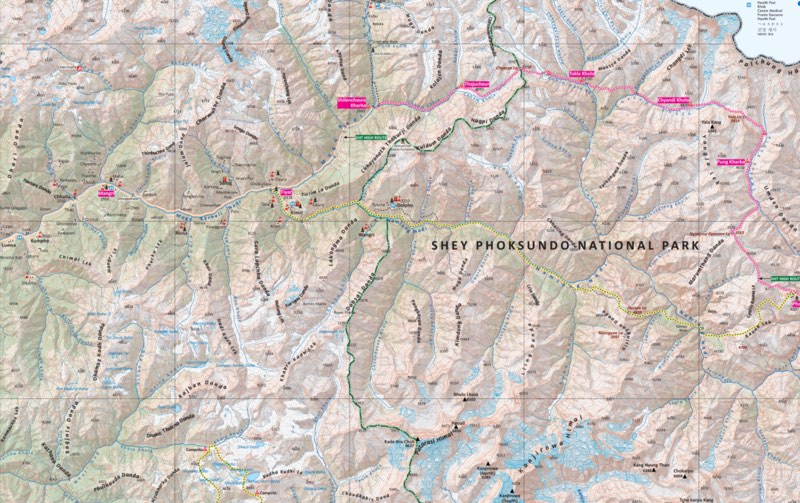
Putha Hiunchuli Expedition Map

Price Per person
+977-9851402018 (WhatsApp)
You might also like
Handpicked trips in the same region and style — a natural next step from this one.