Table of Contents


    Packing for the Himalayas is exciting, but trying to figure out the weather at Everest Base Camp can feel like a guessing game. One minute you see photos of clear blue skies, and the next, you hear about freezing blizzards and canceled flights. When temperatures at high-altitude stops like Gorak Shep can swing by more than 20°C (36°F) within a single 24-hour period, being caught unprepared is a risk you simply cannot take.

    That uncertainty is completely normal because mountain weather changes fast, especially as you climb higher. As operators who monitor these trails daily, we know that successful trekking requires more than just knowing if it will rain. It requires understanding microclimates, operational logistics, and how the cold actually feels at 5,000 meters (1640 feet).

    In this guide, we will break down the Everest Base Camp trek weather in a simple, straightforward way. You will get an honest, month-by-month look at conditions so you can pick your perfect trekking window and pack exactly what you need.

    Everest Base Camp Trek Weather: A Quick Overview

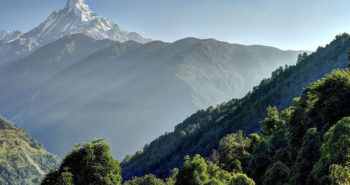
    everest-base-camp-view

    Everest Base Camp has a clear split in weather across the year, and each season feels very different on the trail.

    Spring (March to May) and autumn (September to November) are the main trekking seasons. These months bring stable weather, clearer skies, and better visibility of the mountains. Daytime temperatures are usually mild, but nights still get cold as you go higher. Spring also has blooming rhododendrons, while autumn is known for the clearest views after the monsoon. Both seasons attract the most trekkers because conditions are reliable for walking and mountain views.

    The trek to Everest base camp in the monsoon season (June to August) is the off-season for most trekkers. Heavy rain in lower regions makes trails muddy, skies stay cloudy, and flights to Lukla are often delayed. Visibility is low, even though the landscape becomes very green.

    Winter (December to February) is extremely cold at higher elevations. Snow is common, and temperatures drop well below freezing at night. Trails are quiet, but conditions are tougher, and some sections can become difficult to cross. Most of the teahouses remain closed, so we confirm which lodges are operating along your route before every winter departure.

    Across all seasons, temperatures can range roughly from 10°C in lower areas during the day to below -20°C at night at higher points, depending on the month and altitude.

    MonthAvg. Day TempAvg. Night TempVisibilityTrail Crowds
    January-4°C to 4°C (25°F to 39°F)-17°C to -22°C (1°F to -8°F)Excellent / SharpVery Low
    February-3°C to 4°C (27°F to 39°F)-15°C to -20°C (5°F to -4°F)Excellent / SharpVery Low
    March0°C to 7°C (32°F to 45°F)-10°C to -15°C (14°F to 5°F)High (Clear Mornings)Medium
    April3°C to 8°C (37°F to 46°F)-5°C to -10°C (23°F to 14°F)Excellent / HighVery High
    May5°C to 15°C (41°F to 59°F)0°C to -7°C (32°F to 19°F)Moderate (Afternoon Clouds)High
    June10°C to 16°C (50°F to 61°F)0°C to 5°C (32°F to 41°F)Low (Monsoon Clouds/Mist)Very Low
    July12°C to 16°C (54°F to 61°F)2°C to 6°C (36°F to 43°F)Very Low (Heavy Rain/Fog)Lowest
    August11°C to 16°C (52°F to 61°F)2°C to 5°C (36°F to 41°F)Very Low (Heavy Rain/Fog)Lowest
    September8°C to 15°C (46°F to 59°F)0°C to -4°C (32°F to 25°F)Improving (Clears Mid-Month)Medium
    October5°C to 12°C (41°F to 54°F)-6°C to -15°C (21°F to 5°F)Pristine / Crystal ClearPeak (Highest)
    November0°C to 6°C (32°F to 43°F)-11°C to -18°C (12°F to 0°F)Pristine / Deep Blue SkiesHigh
    December-5°C to 5°C (23°F to 41°F)-14°C to -20°C (7°F to -4°F)Excellent / SharpLow

    Month-by-Month Weather at Everest Base Camp

    As any experienced trekker knows, mountain weather can completely make or break your trip. However, perfect conditions mean different things to different people, as some prefer empty winter trails while others endure busy teahouses for clear skies. Understanding the monthly shifts in climate is the only way to plan properly. Here is exactly what you can expect on the trail throughout the year.

    1. Spring Season (March to May)

    Spring runs from March to May and is one of the most popular times to visit the Everest region. The weather warms up, landscapes bloom, and daytime temperatures at higher altitudes reach up to 15°C. It is an exciting time as you will share the route with climbers aiming for the summit.

    • March: March acts as a transition out of winter, with daytime temperatures hovering around 0°C to 7°C. The first half remains very cold, and trails above Namche might still hold snow. By late March, the frozen Gokyo lakes slowly start to melt, making the March weather at Everest Base Camp ideal for those seeking solitude. Local teahouse owners also begin flying back from Kathmandu to prepare for the season, which is why the very first March departures of the year sometimes find a thinner spread of open lodges around Lobuche. It is a quiet, excellent time to trek before the main rush begins, and mid-to-late March is genuinely the sweet spot if you want spring weather without April’s crowds.
    • April: April is a peak month offering highly stable weather and blooming rhododendron forests. Daytime temperatures rise to a comfortable 4°C to 12°C, though nights remain chilly around -5°C to -10°C. The morning skies are perfectly clear, and the weather in Everest Base Camp in April makes it a favorite for trekkers globally.

      By the end of April, the official Everest expedition season is in full swing. This is the ultimate time to trek if you want to see Everest Base Camp transformed into a vibrant tent city, meet international climbers, and experience the buzz of the climbing season before summit pushes begin in May. Because conditions are so ideal, trails and teahouses get extremely busy, making early booking essential.
    • May: May brings the warmest weather of the spring season. Daytime highs can reach 15°C, while nights hover between 0°C and -7°C. Everest Base Camp is packed with international climbing expeditions waiting for the perfect weather window to push up the mountain. While mornings are clear, the approaching summer means the Everest Base Camp weather in May will bring occasional wind and afternoon clouds, particularly in the second half of the month below Tengboche. This is the last chance for a great trek before the monsoon hits.

    2. Summer / Monsoon Season (June to August)

    The summer months from June to August bring the heavy monsoon rains to Nepal. Casual trekkers and climbing expeditions completely disappear, leaving the trails empty and many teahouses closed. The weather is warm, but it is highly unpredictable and wet.

    • June: June marks the arrival of the monsoon, with daytime highs around 10°C to 16°C. The first week might be dry, but soon heavy rain becomes the daily reality below Dingboche. Trails become incredibly muddy, slippery, and full of leeches, especially on the stretch up to Phakding. Low visibility and thick fog are common, so navigating the June weather at Everest Base Camp requires flexible planning and serious rain gear. Because the weather is highly unfavorable for fixed-wing flights and shared helicopters are hardly available, we build in extra flight buffer days and plan private helicopter contingencies from the start for our rare private June trips.
    • July: July delivers the heaviest rainfall and highest humidity of the entire year. Daytime temperatures sit between 12°C and 16°C, and even the nights stay above freezing at 2°C to 6°C. The mountain views are almost constantly hidden behind thick clouds, defining the weather in Everest Base Camp in July. Above 4,500 meters, the heavy rain often turns into wet snow. With very few trekkers around, you will have the remaining open teahouses entirely to yourself.
    • August: August continues the wet monsoon pattern with daytime temperatures averaging 11°C to 16°C. The trails remain slippery and challenging, though the Everest Base Camp weather in August means the rain often falls heavily in the afternoons and at night. Early mornings might occasionally offer brief, clear views of the peaks before the clouds roll back in. Flights to Lukla are still highly prone to cancellation due to poor visibility. By the end of the month, the rain slowly begins to taper off.

    3. Autumn Season (September to November)

    Autumn spans from September to November and is the most popular time to trek due to pristine weather. The monsoon washes the dust away, leaving crystal-clear skies and excellent visibility. You get the best mountain views, but you also have to navigate the biggest crowds.

    • September: September is the bridge between the monsoon and peak autumn. The first half of the month can still see occasional rain, but the trails quickly become lush and green. Daytime temperatures are a comfortable 8°C to 15°C, with nights dipping near 0°C. As the month progresses, the skies clear up beautifully, making the September weather at Everest Base Camp fantastic if you want fresh scenery just before the massive October crowds arrive.
    • October: October offers the absolute best weather of the year, with daytime temperatures between 5°C and 12°C. The atmospheric pressure is stable, ensuring rare rainfall and crystal-clear mountain views all day long. Because the weather in Everest Base Camp in October is flawless, flights run constantly, even late into the afternoon. However, the trails and teahouses are overflowing with people. With roughly 40,000+ trekkers visiting the Everest region each year and a meaningful share concentrating in October, we book Gorak Shep accommodation well ahead for our October groups, and you should fully expect to share a sleeping room with other trekkers at high-altitude stops like Gorakshep and Lobuche.
    • November: November maintains the brilliant, deep blue skies of October but brings a sharp drop in temperature. Daytime highs struggle to reach 0°C to 6°C, and nighttime temperatures plunge to a freezing -11°C to -18°C. Because of the cold Everest Base Camp weather in November, you will absolutely need a four-season sleeping bag and a heavy down jacket. If you don’t own them, we rent both at our Kathmandu office for USD 15 each, easier than flying halfway around the world with bulky winter gear in your luggage. The massive crowds finally begin to thin out by mid-month. It provides a much quieter trekking experience with exceptionally sharp mountain views.

    4. Winter Season (December to February)

    Winter, from December to February, brings extreme cold, deep snow, and quiet trails to the Everest region. Many locals migrate down to Kathmandu, causing numerous teahouses to close for the season. If you can handle the freezing temperatures, you are rewarded with empty paths and glorious, clear skies.

    • December: By December, winter officially sets in, dropping daytime Base Camp temperatures to -3°C to 4°C. Nighttime temperatures become brutal, regularly falling between -14°C and -20°C. Locals from villages like Dingboche and Namche begin locking up their lodges to escape the cold. So, before every December departure, our operations team confirms with partner lodges along the route which ones will still be open during your trekking dates. Despite the harsh December weather at Everest Base Camp, the trails become incredibly quiet, offering peaceful trekking without the dust of the busy season. The skies remain remarkably dry and clear, perfect for photography.
    • January: January is the coldest month, with daytime temperatures staying below freezing and nights plummeting to -22°C. The high passes like Cho La and Renjo La are typically closed due to heavy snow. If you plan to visit the Gokyo Valley, be prepared to find the famous lakes completely frozen solid. Experiencing the Everest Base Camp weather in January means no climbing expeditions and only a few open teahouses. It is a beautiful but bitterly cold environment meant only for prepared trekkers.
    • February: February continues the harsh winter conditions with freezing temperatures and frequent high winds. The daytime highs sit around -3°C to 4°C, but the wind chill makes it feel much colder. Teahouses that remain open are extremely cold, particularly on the edges of the high passes. However, facing the weather in Everest Base Camp in February rewards you with mostly empty trails, giving you a solitary mountain experience. By the end of the month, daylight hours slightly increase as the region slowly waits for spring.

    Understanding Microclimates on the Everest Base Camp Trek

    The weather on the Everest Base Camp trek does not just change by the season; it changes drastically by altitude. From the starting line at Lukla to your final goal at Base Camp, you will gain roughly 2,500 meters in elevation. Because the temperature drops by about 6.5°C for every 1,000 meters you climb, you will walk through completely different microclimates. You might start your trek wearing a light t-shirt and finish it wrapped in a heavy expedition jacket.

    1. Lower Altitudes (Lukla to Namche Bazaar – 2,860m to 3,440m)

    At the start of your journey, you walk through temperate, forested valleys that shield you from harsh mountain winds.

    • Daytime: The sun feels surprisingly strong here. During peak trekking months, daytime temperatures easily reach 10°C to 15°C. As long as you keep moving, a light, breathable base layer is usually enough.
    • Nighttime: When the sun dips, temperatures hover around a mild 0°C to 5°C. Teahouse dining rooms are cozy, and you will sleep comfortably without needing extreme winter gear.

    2. Higher Altitudes (Dingboche, Gorak Shep & EBC – 4,410m to 5,364m)

    Everything shifts once you hike past the 4,000-meter mark into the barren alpine tundra. The trees disappear, leaving you completely exposed to icy katabatic winds blowing directly off the Khumbu Glacier.

    • Daytime: The air is so thin that it cannot hold heat. Even under direct, blinding sunlight, the actual air temperature rarely climbs much above freezing.
    • Nighttime: The brutal cold hits the moment the sun sets behind the peaks. Inside the unheated lodge rooms at Gorak Shep, temperatures frequently crash between -10°C and -20°C. You will absolutely need a heavy down jacket, a four-season sleeping bag, and thermal base layers just to get through the night. The single most common gear mistake we see on the trail is trekkers under-packing for this exact stretch; the sleeping bag is the only thing standing between you and a very long, uncomfortable night.

    3. How Weather Changes Between Trekking Stages

    Lukla to Phakding (2,610–2,860 m)  

    This area is warm. You see forests and farms. Daytime temperatures are usually 10–15°C warmer than Gorak Shep. Snow is rare except in deep winter. Rain happens often during the monsoon. The trail here feels like a long walk in the mountains, not a tough climb.

    Namche to Tengboche (3,440–3,867 m)  

    This area changes. The forest becomes thinner with more scrub and birch. Temperatures can change a lot from day to night. A sunny afternoon can be 12°C but drop to −5°C at night in March. Wind becomes important. Most trekkers need a warm jacket here.

    Dingboche to Lobuche (4,410–4,940 m)  

    This is high altitude. Plants stop growing around 4,200 m. Wind picks up most days in the late morning. It gets very dry. Night temperatures are below freezing all year, even in May. The cold is a normal part of your day.

    Gorak Shep, EBC, and Kala Patthar (5,164–5,545 m)  

    This area is like a desert. It hardly rains outside the monsoon. Wind blows at 20–40 km/h most days. The sun’s rays are strong. Nights can drop to −20°C in winter and rarely go above −5°C in summer. The air is thin and can’t retain heat, so temperatures can change by 20°C between sun and shade in one day.

    This means that a day in Lukla and a day in Gorak Shep in March are not the same. You need to think about layers, water, and how fast you go more because of the altitude than the date.

    The Thin Air: Why Weather Feels Colder at Altitude

    everest-base-camp-trek-weather

    The cold on this trek doesn’t behave the way it does at home. The reason is the air itself.

    Oxygen still makes up about 21% of the air at Everest Base Camp, exactly like sea level. What changes is the pressure. Each breath you take at 5,364 meters pulls in far fewer oxygen molecules. By the time you reach Base Camp, you’re breathing roughly half the oxygen you’d get at sea level.

    Thin air also holds very little heat. That’s why the temperature can swing more than 20°C between a sunny patch and a shaded one in the same hour. The moment the sun drops behind a ridge, the warmth vanishes almost instantly.

    This is the part trekkers underestimate most. On our departures, the people who struggle aren’t the ones who saw a low number on a forecast. They’re the ones who didn’t expect how fast the heat disappears once the light goes. Plan for the shade and the night, not the sunny afternoon.

    How the Weather Raises Your Altitude Sickness Risk

    Weather and altitude sickness are linked more closely than most guides admit. Cold, dry, thin air makes your body work harder, and that raises your risk of Acute Mountain Sickness (AMS).

    Here’s why. Cold air is dry air. You lose water with every breath, and dehydration is one of the biggest triggers for AMS. You also feel less thirsty at altitude, so it’s easy to drink too little without noticing.

    The numbers are worth knowing. Studies in the Everest region suggest that around half of trekkers who walk up slowly over several days feel some form of AMS. For people who fly straight to high villages and climb fast, the figure is far higher. Mild symptoms can start as low as 3,000 meters.

    Weather adds pressure on top of this. Bad weather tempts trekkers to rush a stage to “beat the storm,” which means climbing too fast. A cold, sleepless night at Gorak Shep leaves you weaker the next morning. We watch for both on every trip.

    The fix stays the same whatever the season. Climb slowly. Drink steadily through the day, not just at dinner. Tell your guide about headaches early, while they’re still small. And never push higher to outrun the weather when your body is already telling you to stop.

    The Sun Is Stronger Than the Cold Makes You Think

    It sounds odd on a freezing trek, but sunburn is one of the most common problems we treat. The high-altitude sun is fierce, even when the air is cold.

    Thin air filters out far less ultraviolet light. The UV index near Base Camp can climb to extreme levels on a clear day. Add fresh snow, which bounces sunlight straight back up at you, and you’re hit from above and below at once.

    Two risks matter here. The first is fast sunburn on your face, lips, and the underside of your nose. The second is snow blindness, a painful sunburn of the eyes from glare off snow. Both are easy to prevent and miserable to fix on the trail.

    So pack for the sun as seriously as the cold. Use a high-factor sunscreen and reapply it. Bring lip balm with sun protection. Wear proper glacier sunglasses, not light fashion ones, especially on snowy stretches above Dingboche. Clear days are the best for views and the worst for unprotected skin.

    Wind Chill: Why the “Feels-Like” Beats the Thermometer

    The temperatures in our monthly table are air temperatures. What your body actually feels is colder, often much colder, because of the wind.

    Above the treeline, cold air pours down off the Khumbu Glacier most days. These winds usually pick up by late morning and run at 20 to 40 km/h on the open stretches near Gorak Shep and Kala Patthar. On a windy day, a reading of −10°C can feel closer to −20°C on exposed skin.

    This is why the same morning can feel mild in a sheltered village and brutal an hour later on a ridge. It’s also why your wind layer matters as much as your warm layer.

    Our practical advice: time the exposed, high sections for early morning when the wind is calmest, and always carry a windproof shell within reach. The thermometer tells you half the story. The wind tells the rest.

    Can You Actually See Everest? Visibility and Cloud Timing

    Here’s something most weather guides skip. You cannot see the summit of Mount Everest from Everest Base Camp itself. Nearby peaks like Nuptse and the mountain’s own west shoulder block the view.

    The best Everest views come from elsewhere on the route. Kala Patthar (5,545m), the small hill above Gorak Shep, gives the classic sunrise view of the summit. Tengboche and the Everest View Hotel above Namche also offer wide, clear panoramas. Knowing this changes how you plan your clear-weather days.

    Cloud timing matters more than the season for these moments. In most months, mornings are clearest. Clouds tend to build through late morning and afternoon, then often clear again at dusk. This pattern is strongest in spring, when afternoons cloud over even on fine days.

    That’s why we push hard for dawn starts at the viewpoints. On our trips, the Kala Patthar climb begins before sunrise for exactly this reason. The mountain that’s wrapped in cloud by 11 a.m. was often crystal clear at 6.

    Autumn, especially October into mid-November, gives the most reliable all-day clarity. The monsoon scrubs the haze out of the air, leaving deep blue skies and sharp, dust-free views.

    Summit vs Base Camp: Two Different Weather Worlds

    People often confuse Base Camp weather with the weather on Everest itself. They aren’t close.

    Base Camp sits at 5,364 meters. Cold, but survivable with the right gear, and reachable by trekkers with no climbing skills. The summit sits at 8,849 meters, in a world of its own.

    Up there, air temperatures sit around −20°C in the warmest months and can fall past −35°C in deep winter. The jet stream regularly batters the top with winds over 160 km/h. The combination is far beyond what any trekker faces. It’s also why climbers wait weeks at Base Camp for a short, calm weather window before going up.

    So when you read a terrifying Everest temperature online, check the altitude it refers to. The weather you’ll actually meet on the trek is the Base Camp story in this guide, not the summit one.

    Dressing for the Weather: The Layering System

    You can’t pack one outfit for this trek, because you’ll pass through several climates in one trip. The answer is layers you add and remove as the weather and altitude shift.

    A simple three-layer system covers every season:

    • Base layer. A snug, sweat-wicking top and bottom. This sits on your skin and pulls moisture away. Wet skin gets cold fast.
    • Mid layer. A fleece or light down jacket for warmth. You’ll add and drop this constantly through the day.
    • Outer shell. A windproof, waterproof jacket. This is your guard against wind chill and sudden rain or snow.

    How you use them changes with altitude:

    • Lower trail (Lukla to Namche). Often just a base layer while walking on a sunny day. A warm layer for evenings.
    • Mid trail (Namche to Dingboche). Layers go on and off all day. Mornings cold, afternoons mild, nights below freezing.
    • High camps (Dingboche to Base Camp). Full system most of the day. A heavy down jacket for mornings, evenings, and the high viewpoints.

    Two pieces matter most up high. A heavy down jacket and a four-season sleeping bag rated to around −20°C. The sleeping bag is the single thing standing between you and a long, cold night at Gorak Shep, and it’s the gear we see under-packed most often. If you’d rather not fly with bulky kit, both are easy to rent in Kathmandu.

    Weather Is Getting Less Predictable

    One thing has changed over the years we’ve run this route. The old, tidy season calendar is getting less reliable.

    We’ve seen clear spells push deeper into the monsoon, and we’ve seen unseasonal snow arrive in months that used to stay dry. The peak windows are still the best bet, but they no longer guarantee perfect weather the way they once seemed to.

    The takeaway is simple. Pick your season for the odds, then prepare as if the weather might surprise you. Pack a full layering system whatever month you choose, and build at least two or three spare days into your plan for delays. The trekkers who stay flexible are the ones who still reach Base Camp when the weather doesn’t read the calendar.

    Which is the Best Time to Visit Everest Base Camp?

    The best time to visit Everest Base Camp is during the pre-monsoon Spring (March to May) and the post-monsoon Autumn (September to November) when the weather is stable, and mountain visibility is at its peak.

    To figure out the absolute best month for your trip, you have to decide what kind of mountain experience you want. The Khumbu region has two distinct peak trekking windows, and they feel completely different on the ground.

    • Spring (March to May): This is the season to experience the real climbing culture. The weather is warming up, and the lower trails are covered in blooming rhododendron forests. When you finally reach Base Camp, it is a massive, energetic tent city filled with international mountaineers preparing to summit Everest. The days are warmer, but you will often see clouds rolling in by the afternoon.
    • Autumn (September to November): This is the gold standard for pure, unobstructed mountain photography. The heavy summer monsoon washes all the dust and pollution out of the air, leaving the skies a crisp, deep blue. Temperatures are much colder in Everest in autumn than in spring, but the visibility is flawless from dawn to dusk. Because the conditions are perfect, this is also the most crowded time on the trail.
    • The Fringe Months (February & December): If you hate crowds and own professional winter gear, trekking just outside the peak seasons gives you empty teahouses and razor-sharp views. You just have to endure brutal sub-zero nights.

    If you want the clearest mountain views, mid-October to mid-November, and late March to late April. October has the cleaner air; April has the more vibrant lower-altitude scenery.

    If you want fewer crowds: mid-November (still good weather, half the trekkers of October), or any of January, February, or December (winter solitude).

    If you want the warmest trek: late April to late May. Daytime walking is comfortable at all altitudes.

    If you want winter pure solitude, late January through mid-February. Quietest trail of the year.

    If you want budget-friendly weather, late February or late November (shoulder of peak season, lower lodge rates, decent weather).

    How Does the Weather Affect Lukla Flights?

    lukla-flights-from-kathmandu

    The Kathmandu to Lukla flight is heavily affected by sudden fog, low clouds, and strong winds, which frequently cause immediate delays or cancellations. Tenzing-Hillary Airport features a famously short, sloped runway surrounded by steep terrain. Consequently, pilots rely entirely on Visual Flight Rules (VFR). If visibility drops or crosswinds increase, flights are instantly grounded to ensure safety.

    The Ramechhap / Manthali Airport Diversion

    During the peak trekking months of Spring (March–May) and Autumn (October–November), the Civil Aviation Authority of Nepal (CAAN) diverts almost all Lukla flights away from Kathmandu to ease air traffic. You will fly out of Manthali Airport in Ramechhap instead.

    What this means for your schedule: To catch the clear early-morning weather window in Lukla, trekkers must wake up at 1:00 AM in Kathmandu for a grueling 4 to 5-hour drive down winding mountain roads to reach Ramechhap. It is exhausting, but it is a strictly necessary operational maneuver to ensure you get on the mountain safely before midday valley fog shuts the airspace down. Always build at least one or two buffer days into your itinerary for weather-related flight disruptions.

    Lukla Flight Reliability by Month

    Weather decides Lukla flights, and Lukla flights decide whether your trek starts on time.

    January~70–80%Winter fog at TIAKathmandu (TIA)
    February~75–85%Fog, occasional snowKathmandu (TIA)
    March~80–90%WindKathmandu / Ramechhap mixed
    April~85–92%WindRamechhap (peak season)
    May~80–90%Pre-monsoon cloudsRamechhap
    June~50–70%Monsoon cloudsMostly Kathmandu (reduced operations)
    July~40–60%Heavy rain, cloudsKathmandu
    August~50–70%Monsoon cloudsKathmandu
    September~70–85% by month’s endReceding monsoonKathmandu → Ramechhap shift
    October~88–95%Brief wind eventsRamechhap
    November~85–92%Wind eventsRamechhap → Kathmandu shift late in the month
    December~75–85%Winter fog onsetKathmandu

    Conclusion

    Choosing the right time for your trek simply comes down to your personal preferences. You cannot control the Everest Base Camp weather, but you can pick the conditions you are willing to handle. If you want warmer walking days and the excitement of seeing the summit climbers, book your trip to the Everest Base Camp trek in the spring. If crystal-clear mountain views are your main priority and you can easily handle freezing nights, autumn is the perfect choice.

    No matter which month you travel, the golden rule of the Himalayas is to expect sudden shifts in climate. Always pack a reliable layering system, bring a heavy-duty sleeping bag for the high altitudes, and keep your itinerary flexible to account for mountain delays. Prepare correctly, and you will have a safe, unforgettable adventure.

    FAQs

    1. What is the best month to trek to Everest Base Camp?

    October offers the most stable weather of the year, with clear skies, +5°C to +12°C daytime temperatures, and reliable Lukla flights. April is the second-best choice and brings warmer days plus the buzz of summit expedition climbers at Base Camp.

    2. What is the coldest month at Everest Base Camp?

    January is the coldest month, with nighttime temperatures at Gorak Shep dropping to around −22°C and daytime highs barely reaching above freezing. High passes like Cho La and Renjo La are typically snowed shut, and only a handful of teahouses stay open at higher elevations.

    3. Can you trek to Everest Base Camp in the monsoon (June to August)?

    You technically can, but it’s not recommended as trails turn muddy, leeches appear below Tengboche, and mountain views stay hidden behind clouds for weeks. Lukla flights are frequently canceled during these months, which is why we run only private custom trips in the monsoon rather than scheduled group departures.

    4. How cold does it get at night during the Everest Base Camp trek?

    Nighttime temperatures depend heavily on altitude and month. Lower stops like Namche Bazaar stay mild at 0°C to +5°C in peak season, but at Gorak Shep (5,160m), expect −10°C to −15°C in April or October and as low as −22°C in January.

    5. Does it snow at Everest Base Camp?

    Yes, snowfall is common above 4,000m from November through March, and occasional snow can fall as late as April or as early as October. During monsoon (June–August), heavy rain at lower altitudes often turns into wet snow above 4,500m.

    6. Why are Lukla flights so often delayed or cancelled?

    Tenzing-Hillary Airport has no radar, so pilots fly purely by visual rules and need clear visibility to land on the short, sloped runway. Roughly 1 in 10 flights is affected by fog, cloud, or strong winds, which is why we always recommend building 2 to 3 buffer days into your trip.

    7. What should I pack for the Everest Base Camp weather?

    You need a layered system: moisture-wicking base layers, a warm fleece or mid-layer, a heavy down jacket, and a waterproof shell, plus a four-season sleeping bag rated to −20°C. If you don’t own winter gear, sleeping bags and down jackets are available to rent from our Kathmandu office at USD 15 each.

    8. Is the Everest Base Camp trek safe in winter?

    Yes, the trek itself is safe in winter if you have proper cold-weather gear and prepared lodging arrangements. The bigger challenges are limited lodge availability above Dingboche and brutally cold nights, which is why we confirm operating lodges along your route before every December–February departure.

    How much oxygen is there at Everest Base Camp? 

    About half the oxygen you’d get at sea level. The air is still 21% oxygen, but the low pressure means each breath delivers far fewer oxygen molecules, which is why acclimatization matters from day one.

    Can you see Mount Everest from Everest Base Camp? 

    Not the summit. Nearby peaks block it from Base Camp itself. The best Everest views are from Kala Patthar at sunrise, and from Tengboche and the Everest View Hotel lower down.

    How many hours of daylight will I have for trekking? 

    Roughly 5 to 7 usable hours in deep winter and 8 to 10 in spring and autumn. High ridges shade the valley, so usable light is shorter than a standard daylight chart suggests. Start at first light in the colder months.

    Is the sun strong on the Everest Base Camp trek? 

    Very. Thin air lets through far more ultraviolet light, and snow reflects it back at you. Sunburn and snow blindness are real risks, so bring high-factor sunscreen, lip balm with sun protection, and proper glacier sunglasses.

    What is the temperature on top of Mount Everest? 

    Far colder than Base Camp. The summit sits at 8,849 meters, where air temperatures range from about −20°C in summer to below −35°C in winter, with jet-stream winds often over 160 km/h. This is the summit, not the trek.

    Does wind make it feel colder than the forecast? 

    Yes. Cold winds off the glacier can make it feel 10 to 15°C colder than the air temperature, especially on exposed high sections near Gorak Shep and Kala Patthar.

    saugat Avatar

    Comments

    Leave a Comment

    Your email address will not be published. Required fields are marked *

    Need Help?